Vibe Coding Costs: How much I paid to build 3 Production SaaS Apps
I built 3 production business apps without hiring a developer. Here’s what I actually spent — and how it compares to every other option.
I run a coffee roastery, a SaaS product, and an app building service. All three have custom apps running in production right now. And I didn’t write a single line of code for any of them.
I’ve written a lot about vibe coding but I haven’t yet dug into the costs, so let’s do that. In this post I’ll dig in to what I spent, what the alternatives would have cost, and what makes sense for different situations.
The 3 apps I built
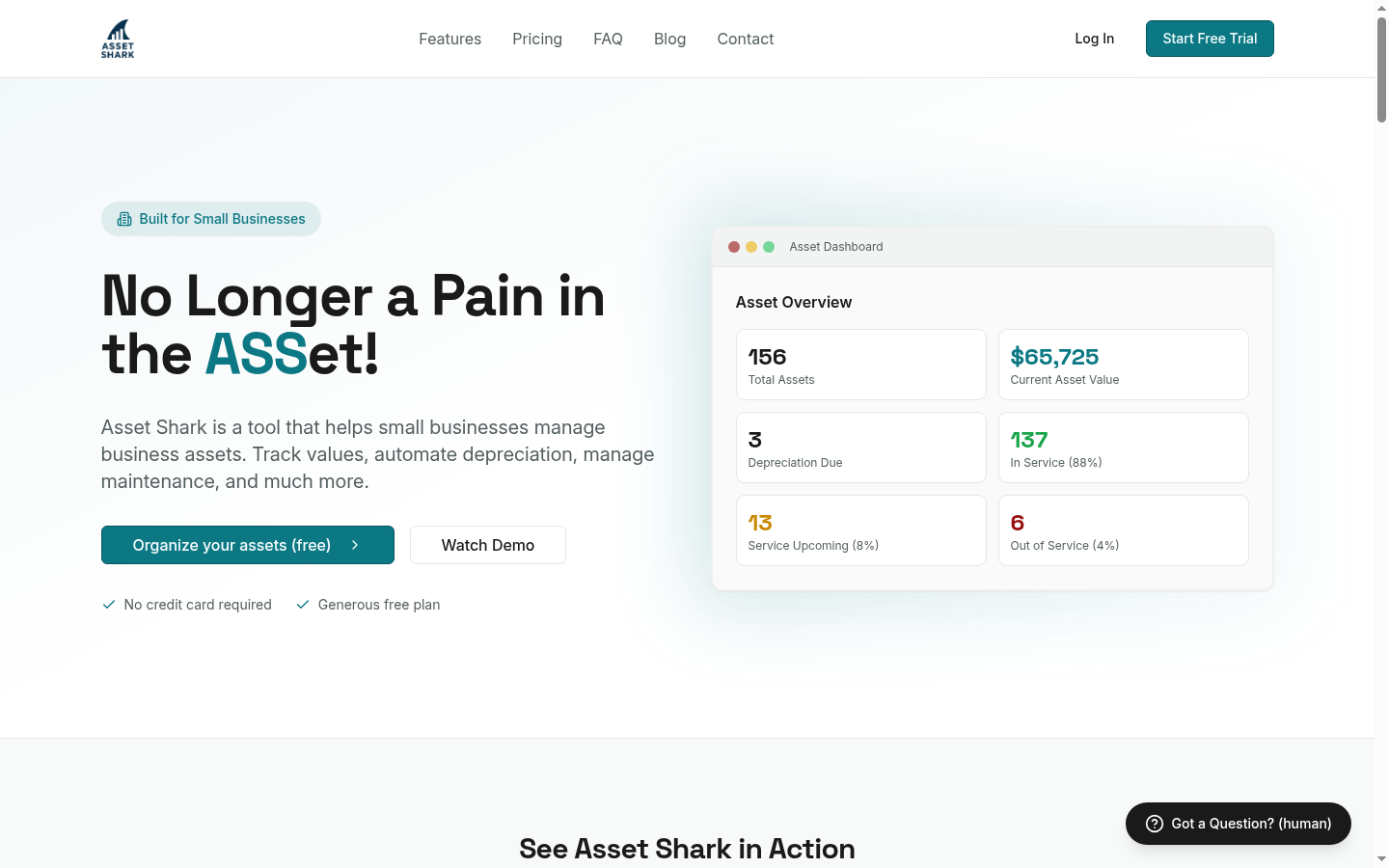
AssetShark — a full SaaS product for small business asset tracking and depreciation. User authentication, subscription billing, a CMS, a depreciation calculator, automated email sequences, programmatic SEO pages — the works. It’s live at assetsharkapp.com with real users.
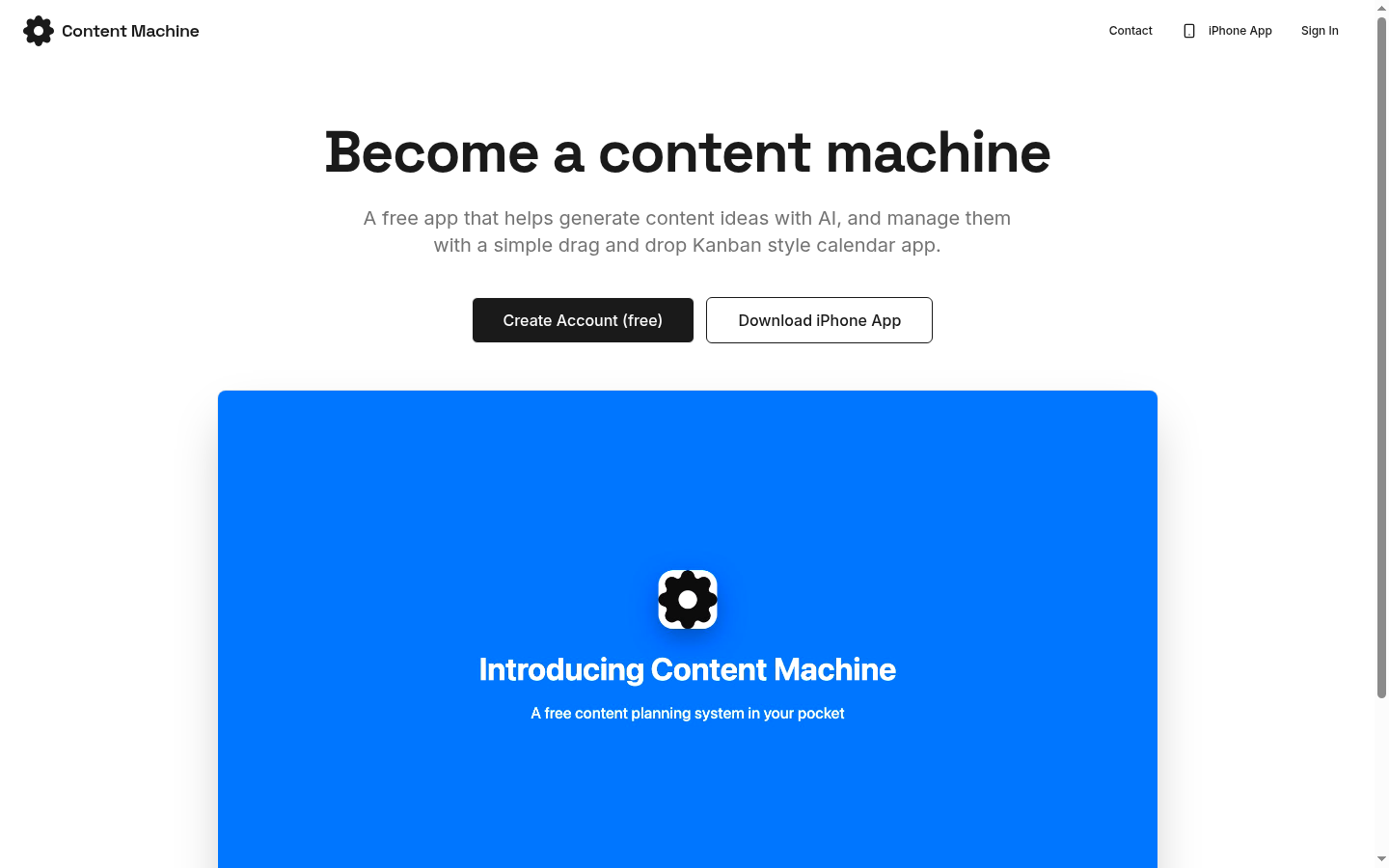
Content Machine — a web and iPhone app for content creation. Built for my own workflow managing content across multiple brands. This is live up on contentmachine.com also with live users.
Jessop — an internal staff rostering tool for my coffee roastery, East Coast Roast. Handles shift scheduling, availability, and team communication. This is also live with real users but only internally. I plan on opening this up to the public as well.
Three very different apps. A B2B SaaS product, a personal productivity tool, and an internal operations tool. All vibe coded. All using Replit for the back-end, 1 using Replit for the front end and another even using Replit for the iPhone app.
What I actually spent
Here’s the breakdown (in USD).
Replit subscription: I’ll be honest Replit billing is a little confusing. The core plan is $20 USD that gives you the replit account and ongoing hosting for your apps and databases. But to build you use credits and the credits can add up. In a month where I don’t do much building it might only be $50-$100. But in a month where I do lots of building it could be $350-$400 / month. I don’t get a break down per project but I’d say for Asset Shark the total cost would be probably in the area of $1,000, the other apps maybe $400-$500. One thing to note though, I started building Asset Shark back in June 2025 and back then there was a huge amount of AI mistakes and re-developing occurring and the costs were adding up. If you built it now, Replit would probably almost one shot the whole thing.
Claude Code – I built the majority of the Content Machine mobile app using Claude in the terminal on my Mac. The credits again aren’t super cheap and because it uses the API it doesn’t come under a normal Claude subscription. The costs for the mobile app were in the $300-$500 range. Now however I’m on the $200 / month subscription for Claude and that covers Cowork, Claude Code and Claude and there are lots of credits available (I’m yet to run out). Again hard to specifically break down the costs because I use Claude mainly for Claude Cowork, but you could probably build the whole Content Machine app in under a month using available credits on that plan.
Related: How to replace your bookkeeper with AI (using Claude Cowork)
Other tools and services: The Apple developer program is $150 / year which is compulsory if you want to build an app for the App Store. For any of the apps that I have hosted on their own domains, I also had the buy the domains which were around $20 (assetsharkapp.com for example). Note you don’t actually need your own domain to do any of this, you’d only have that if you plan on building something that you are marketing outside your company. Jessop currently just runs on the Replit URL provided. And if your app is predominantly a mobile app you may not even need your own domain name – no one would know.
My time: This is the big one. I’m not a developer — I’m a business owner who describes what I want in plain English, and the AI builds it. Asset Shark took hundreds of hours of my time to build, especially since I started back when Replit was constantly struggling (because the underlying models were not good enough). For 2026 I’ve worked on these apps and associated content and sites probably on average 20 hours a week.
How to build a web app in 2026
I’ve been building web apps since 2002 and I’ve done it in every way you can possibly imagine. I’ve had developers working full time with me, I’ve hired freelancers, I’ve coded some myself (with great difficulty), I’ve used no code platforms, I’ve done Vibe Coding.
Here’s how I see the various options at the time of writing, March 2026.
Option 1: Hire a developer or agency
This is what most people think of first. Write a brief, find a dev shop, get a quote, wait. This used to be pretty much the default way of going about things.
Here are some very loose amounts on what I reckon the industry charges to build a SaaS app like AssetShark:
| Route | Typical Cost | Timeline |
|---|---|---|
| Australian agency | $110,000 – $200,000+ | 6–12 months |
| Offshore agency | $45,000 – $130,000 | 4–9 months |
| Freelance developer | $25,000 – $70,000 | 3–6 months |
| Fiverr / Upwork | $15,000 – $50,000 | 2–6 months |
I’ve spent that kind of money on apps before (100k+), for apps that are no more complex than Asset Shark.
And keep in mind, that’s for one app.
There’s also ongoing maintenance to consider. If you get an agency or a developer to build you something from scratch, chances are they are going to be the only one who can fix it when it breaks.
It’s also incredibly time consuming and overall a very painful process, writing spec sheets, requesting changes, testing changes, emailing back and forth. It’s horrible.
Option 2: No-code platforms
The next option most people consider. Bubble, Adalo, FlutterFlow — pick your favourite. I’ve also been down this path when I built a beer delivery app for Black Hops Brewind during Covid.
| Platform | Monthly Cost | Learning Curve | Can it build a SaaS? |
|---|---|---|---|
| Bubble | $32 – $399/mo | High (months to learn) | Yes, but slow performance |
| Adalo | $36 – $52/mo | Low-medium | Mobile apps mainly |
| FlutterFlow | $30 – $70/mo per user | Medium-high | Yes, needs external database |
| Glide | $25 – $60/mo | Low | Simple apps only |
The monthly fees look reasonable. But the hidden cost is your time.
Independent research from App Builder Guides (February 2026) found that Bubble projects typically require hiring consultants at $40–$125/hour because the learning curve is so steep. Most people spend months learning the platform before building anything useful.
And no-code apps have real limitations. Bubble’s page loads average 5–10 seconds on desktop. You’re building inside someone else’s constraints. And good luck if you ever want to move to a proper codebase — you’re locked in.
I tried no-code tools before vibe coding. They felt like trading one set of problems for another. I hate the idea of being locked into one inflexible tool. Now with Vibe Coding you can build something with the exact technologies used by the best dev agencies and you can host it wherever you like (although if you use Replit there are lots of advantages of hosting on Replit).
I can’t imagine I will use one of these no code tools ever again.
Option 3: Vibe code it yourself
This is what I did. Vibe coding means describing what you want to an AI coding agent in plain English, and it writes real production code. It’s super fun, rewarding and awesome.
What you need:
- A Replit subscription ($20–$100/month)
- An idea of what you want to build
- Some kind of general understanding of how web apps work (front end vs back end, what databases are etc).
- Patience for iteration
What you don’t need:
- Coding experience
- A technical co-founder
- A $50K budget
- Six months of waiting
The code you get is real code — not a visual builder that breaks at scale. It runs on proper infrastructure, uses real databases, and you own every line of it.
The catch? You need to be comfortable iterating with the AI. It’s not “describe it once and it’s perfect.” It’s more like working with a very fast developer who needs direction. You describe, it builds, you test, you describe the changes, it rebuilds. Repeat.
For some people, that’s exciting. For others, it’s not how they want to spend their time. That’s where Option 4 comes in.
Option 4: Get someone to vibe code it for you
This is where Vibe Apps comes in — and full transparency, this is my company.
The idea is simple: you get the cost advantages of vibe coding without having to sit in Replit yourself. You describe what you want, and someone who knows how to work with AI builds it for you. I just work hourly in this business and you pay for my time and my experience using Replit (plus the token fees).
For a few hundred dollars you can build what would have cost tens of thousands only a few months ago. What a time to be alive!
Summary
| Approach | Cost | Speed | Your involvement |
|---|---|---|---|
| Hire a developer | $25K – $200K+ | 3–12 months | Briefs, project management |
| No-code DIY | $30–$400/mo + your time | Weeks to months | Learn the platform yourself |
| Vibe code yourself | $20–$100/mo + your time | Days to weeks | Iterate with the AI |
| Vibe Apps (done-for-you) | Fraction of trad. dev | Days to weeks | Describe what you want |
For small business owners who have an app idea but don’t want to learn Replit, and can’t justify $50K+ for a traditional developer — this is the gap we’re filling.
So what’s the right option?
It depends on you.
🔧 Vibe code it yourself if:
- You enjoy tinkering and building
- You have time to iterate with AI
- Your app is for your own business (you understand the requirements deeply)
- You want maximum control and minimum cost
⚡ Get it vibe coded for you if:
- You have a clear idea but no time or interest in building it yourself
- You want the speed and cost advantage of AI-built apps
- You need it done properly but can’t justify traditional dev pricing
- You’re a small business owner, not a tech enthusiast
👔 Consider hiring an agency or a developer if:
- You’re building something highly complex (enterprise, regulated industries)
- You need a large team working in parallel
- Budget isn’t the primary constraint
🧩 Consider using no-code tools if:
- You’re building something very simple (basic directory, internal tool)
- You’re comfortable with platform limitations and lock-in
The bottom line
I built three production business apps for a few grand in hard costs. The traditional route would have cost me $75,000 to $600,000 and taken a year or more.
Vibe coding isn’t magic. It takes time, patience, and a willingness to iterate. But for small business owners who need real apps — not toy prototypes — it’s a genuine game-changer.
The cost of building an app just collapsed. The implications are not yet known but I know for sure it’s a great time for someone like me who loves building things.
Want to explore building an app for your business? Get in touch with Vibe Apps — we’ll walk you through what’s realistic and what it would cost.

- Vibe Coding Costs: How much I paid to build 3 Production SaaS Apps - March 2, 2026
- AI Coworker vs AI Agent — What’s the Difference and Which Should You Use? - February 26, 2026
- Overwhelmed By AI? Sign Up for Viktor Now. - February 20, 2026